
Energy and Climate Change | State Budget 2026: Government withdraws proposal to extend resource rent tax to small-scale hydro power plants after joint petition from Parliamentary majority
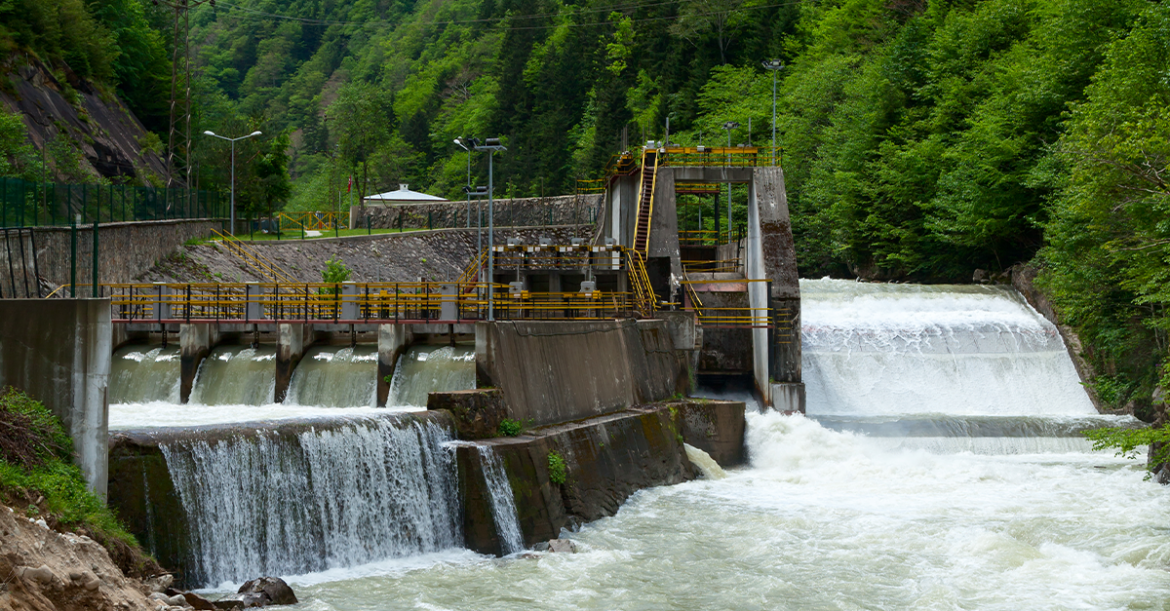
On 5 March 2026, during the parliamentary proceedings on a petition resolution (Nw. anmodningsvedtak) initiated by the opposition parties to reject the Government’s proposal, the Minister of Energy, Terje Aasland, informed the Norwegian Parliament (Stortinget) that the Government would not proceed with its proposal to lower the threshold for the resource rent tax and natural resource tax for hydroelectric power plants from 10,000 kVA to 1,500 kVA. The formal vote on the petition resolution took place in the Parliament on 12 March 2026, and the majority voted in favour of the Government withdrawing the proposal.
Strong Political Opposition and Industry Reaction
The Government’s proposal to lower the threshold was met with immediate and substantial opposition from both industry stakeholders and political parties across the Parliament.
The proposal created significant uncertainty in the small-scale hydro power sector. A large number of planned projects were placed on hold, and suppliers to the industry reported postponed investments, cancelled contracts and a tangible risk of losing specialist expertise. This in turn risked affecting employment in rural areas and weakening a supply chain critical to both the construction and maintenance of hydroelectric infrastructure.
Industry organisations emphasised in their consultation responses that the proposed change would reduce both the willingness to invest and overall power production capacity, while weakening the finances of host municipalities and counties, many of which were already under fiscal pressure. A key concern was that the Government’s proposal would effectively transfer revenues from municipalities to the state, reducing the income available to power companies for reinvestment in local infrastructure and services.
Politically, the Government’s proposal was opposed by the Progress Party (FrP), the Conservative Party (Høyre), the Christian Democratic Party (KrF), the Liberal Party (Venstre) and the Centre Party (SP), which together hold a majority in the Parliament. The broad parliamentary support behind the petition resolution made it evident at an early stage that the Government’s proposal would not command a majority.
The Minister’s Announcement During Parliamentary Proceedings – 5 March 2026
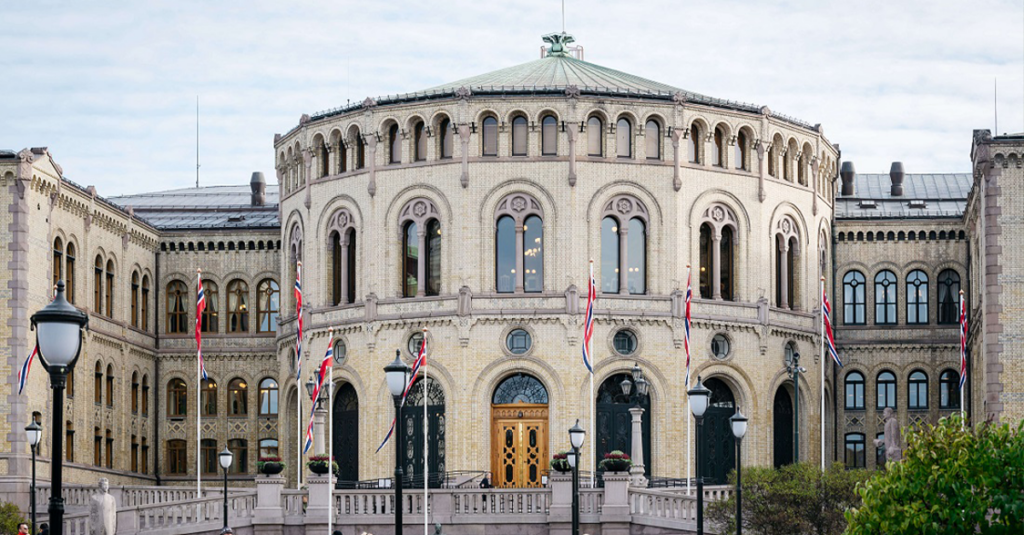
On 5 March 2026, the matter was brought before the Parliament. The five opposition parties had presented a joint petition resolution calling on the Government to withdraw its proposed reduction of the lower threshold, emphasising the need for a clear and predictable regulatory framework for the industry. The petition resolution commanded a parliamentary majority. During the proceedings, the Minister of Energy, Terje Aasland, announced that the Government would not proceed with the proposed reduction of the threshold to 1,500 kVA.
Supporters of the petition resolution emphasised the importance of acting swiftly to restore predictability for the small-scale hydro power sector. Industry representatives welcomed the initiative, highlighting that small-scale power companies planning significant investments in new renewable energy production require certainty that the regulatory framework applicable at the time of investment, and in particular the applicable tax rules, will remain in place when the facilities are brought into operation.
Current Position and Implications
Following the withdrawal of the Government’s proposal, the existing rules remain in force. The lower threshold for the resource rent tax and natural resource tax remains at 10,000 kVA. The approximately 800 power plants in the capacity range that would have been affected by the proposal will continue to be subject only to ordinary corporate income tax at a rate of 22 %.
The practical implications of the withdrawal of the Government’s proposal are as follows:
- For power plant owners, investors and the supply industry:
The withdrawal of the Government’s proposal removes a significant source of uncertainty for power plant owners and investors in the small-scale hydro power market. Planned projects that were placed on hold following the publication of the consultation proposal in October 2025 may now be reassessed and taken forward on the basis of the regulatory framework that was in place when they were originally planned. Suppliers to the sector that experienced postponed investments, cancelled contracts and a risk of losing specialist expertise may similarly reconsider affected projects in light of the development.
- For municipalities and counties:
Municipalities that host small-scale hydro power facilities will continue to receive natural resource tax revenues at current levels. The withdrawal of the Government’s proposal accordingly means that no reduction in local income will occur as a result of the proposed change.
- For the tax system:
The existing lower threshold of 10,000 kVA will continue to represent a recognised distortion within the resource rent tax system. As noted in our October 2025 newsletter, this threshold creates incentives for tax-motivated downsizing of power plants and fragmentation of water resources. This structural issue remains unresolved and may be revisited in future political deliberations.
BAHR’s Assessment
While the withdrawal of the proposal to lower the threshold provides important short-term clarity for the small-scale hydro power sector, the underlying policy question remains open. It should be noted, however, that the proposal was not merely withdrawn by the Government. A parliamentary majority explicitly endorsed the petition resolution calling on the Government not to proceed with the proposal. This represents a clear political signal, although it does not preclude future governments from raising the question again. The lower threshold for the resource rent tax has been a recurrent subject of review, having been assessed by the Power Tax Committee in 2019, revisited under the current Government, and now rejected by a broad parliamentary majority.
Participants in the small-scale hydro power sector should be aware that the sector’s tax framework may remain a subject of political attention. In that context, it may be prudent to consider investment structures and contractual arrangements that provide resilience to potential future changes in the applicable tax regime.
BAHR is available to advise clients on the tax implications of the current framework, the structuring of hydro power projects and the assessment of regulatory conditions applicable to Norwegian hydro power.
Read the newsletter here: