
Energy & Climate Change | The ECHR’s judgment in the case of Greenpeace Nordic and Others v. Norway
The environmental organisations appealed to the European Court of Human Rights (the “ECHR” or the “Court”), with the central question being whether the lack of assessment of the climate consequences of the 23rd licensing round constituted a violation of Article 2 and/or Article 8 of the European Convention on Human Rights. The ECHR issued its ruling on 28 October 2025.
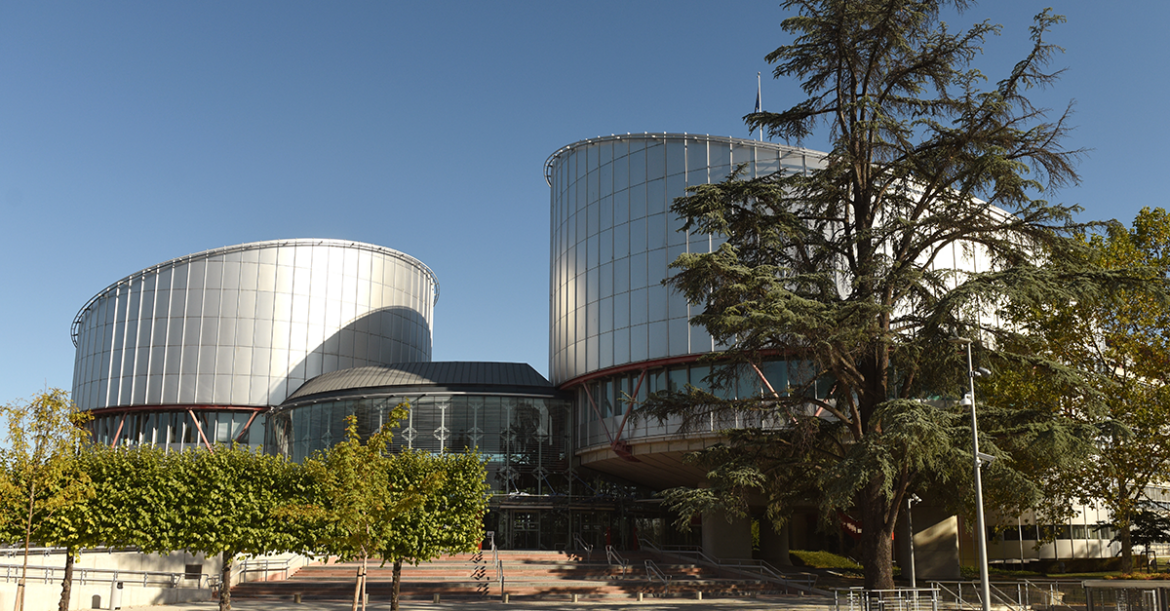
The ECHR`s judgement
The ECHR issued a judgment in the Greenpeace Nordic case clarifying states’ obligations when authorising petroleum exploration and production activities that contribute to climate change. The Court found it unnecessary to examine claims under Article 2 separately, declared claims under Articles 13 and 14 inadmissible, and focused its substantive examination on Article 8.Although the Court distinguished the KlimaSeniorinnen case as concerning substantive state obligations while the present case concerns procedural obligations limited to ten exploration licences, it found that both cases raise questions about alleged state failures to effectively protect individuals from serious adverse effects of climate change on their life, health, well-being and quality of life. Consequently, the Court deemed its approach in KlimaSeniorinnen relevant for examining the procedural questions in the present case.
The Court found a sufficiently close link between the 2016 licensing decision and the risk that climate change could adversely affect individuals’ Convention rights, making Article 8 applicable. It emphasized that petroleum extraction depends on the opening of areas and granting of production licenses, and that subsequent permits do not break the chain of causation. Although all ten licenses from the 23rd round were subsequently relinquished by the companies, the Court found that this did not break the required causal nexus, given the preventive function of the right to information. The Court then declared the application from the organisations admissible and proceeded to examine the merits by assessing the state’s procedural obligations under Article 8.
While the ECHR did not find a violation of the European Convention on Human Rights, it established procedural obligations under Article 8. The Court confirmed that states have a fundamental obligation under Article 8 to protect individuals within their jurisdiction from serious adverse effects of climate change on their life, health, well-being and quality of life. To fulfil this obligation, states must adopt and effectively implement regulations and measures capable of mitigating both existing and potentially irreversible future effects of climate change. The Court acknowledged that while states retain wide discretion in choosing how to implement their climate obligations, climate protection must carry considerable weight when balancing competing considerations. Having established these general principles, the Court proceeded to assess their application to the specific circumstances of the case.
The central question before the Court was whether the Norwegian State fulfilled its procedural obligations under Article 8 in relation to the 2016 license round. Referencing its established case law on the environment and climate change, the Court emphasized that, in light of the grave and potentially irreversible risks and the precautionary principle, states are required to carry out timely, adequate, and comprehensive environmental impact assessments based on the best available scientific knowledge, in order to protect individuals from serious adverse effects of climate change on their life, health, and well-being.
The most significant aspect of the decision is paragraph 319, wherein the Court established that environmental impact assessments (EIAs) for petroleum production projects must include, at a minimum, quantification of anticipated greenhouse gas (GHG) emissions, including both domestic and international combustion emissions (emissions from Norwegian petroleum burned abroad). The Court further established that public authorities must assess whether the proposed activities are compatible with national and international obligations to mitigate climate change. Additionally, the Court emphasized that informed public consultation must occur when all options remain open and pollution can realistically be prevented at source.
With this judgment, the Court builds on legal developments from both the EFTA Court and other international human rights courts, including the ICJ and the Inter-American Court of Human Rights. The Court also relied on the EFTA Court’s interpretation of the EIA Directive.
Although PDO approvals require EIAs that may be waived in certain cases, and several petroleum projects have previously been approved without climate assessments, the Court found that structural guarantees ensure future procedural obligations will be met. These guarantees include the EFTA Court’s requirement for EIAs including combustion emissions, the Supreme Court’s clarification that the authorities cannot authorize a project which is incompatible with article 112 of the Constitution, and the government’s assurances regarding climate assessments in future PDO decisions. Based on these guarantees, the Court was satisfied that the PDO stage will involve a comprehensive assessment of petroleum production effects on climate change, including combustion emissions.
The Court also noted that individuals affected by climate change risks from petroleum production can act on information obtained through an EIA in time to effectively challenge project authorisation, even if this assessment is not conducted during the exploration licensing process. This is partly because licence holders under Norwegian law cannot legitimately expect PDO approval based solely on an exploration licence. The Court further found that the legal requirements for any EIA to be based on relevant, up-to-date and sufficient information constitute an important safeguard against inadequate assessments.
On these grounds, the Court concluded that Article 8 of the Convention had not been violated, as the legal framework ensures effective implementation of procedural obligations, comprehensive climate assessments, and the right to public consultation.
The Greenpeace Nordic judgment establishes that while no violation occurred in this case, states must meet specific procedural obligations under Article 8 when authorising petroleum activities.
For further information regarding this judgment and its implications, please do not hesitate to contact any member of BAHR’s energy transition team.